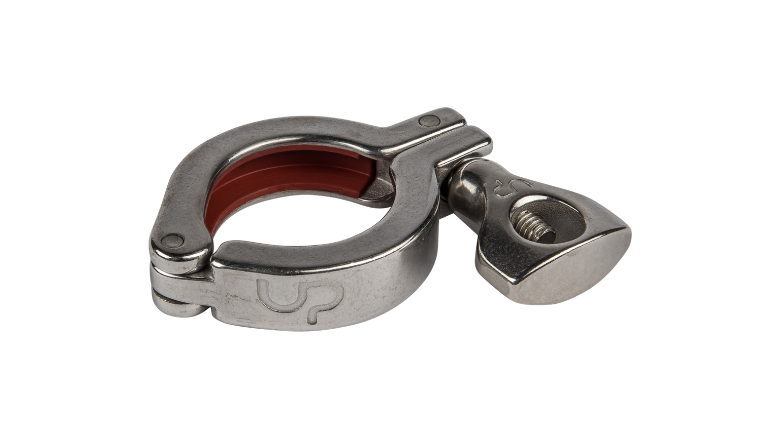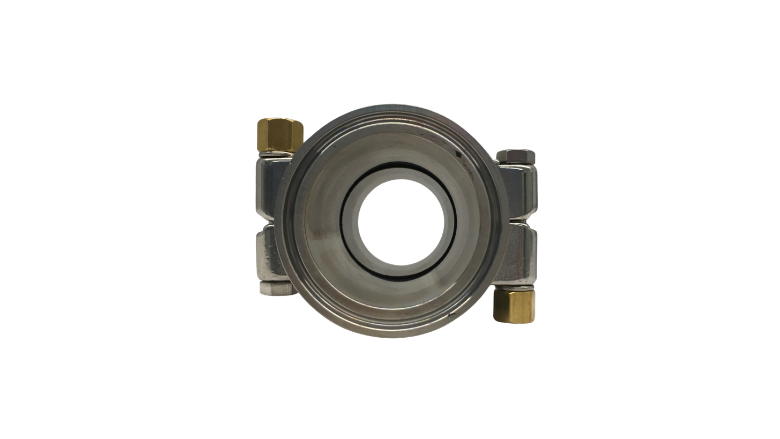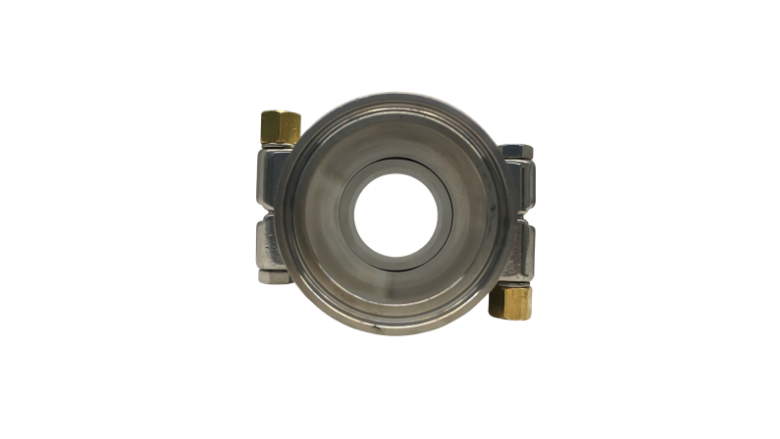
In a perfect world where all connections are perfectly aligned and access to the connection is easy, we would not be talking about over-compression. Unfortunately in the real world, it is slightly different. Piping is hardly ever aligned perfectly, so we have to use force to bring ferrules together and make a leak proof connection. The force we apply comes from the clamp that we use to bring two parts together. Each sealing material has compression limitations, which means you cannot endlessly keep on closing the clamp around the ferrules. By doing so, you destroy the gasket. The animation in the background shows what happens when you over-compress a gasket. This chapter will explain in more detail what the consequences are of over-compression.
Ensuring product purity and process integrity across the pharmaceutical and biopharmaceutical industries.
European leader in FDA-compliant gaskets and validation components. Ensuring product purity and process integrity across the pharmaceutical and biopharmaceutical industries. Our screen gaskets are not used the same way as conventional filters, although they can be considered a filter. Conventional filters are built differently and have many layers to prevent particles to pass through, these can reach efficiencies of almost 100%. A particle comes in many different shapes.
For example, a hair has a diameter of Ø 0,1 mm but the length can be centimetres long. If the hair arrives perpendicular to the screen it might pass a 100 mesh screen. With a conventional filter, the second or third layer will prevent the hair to pass. Retention’s of standard screens are calculated according to international standards using perfectly round glass spheres. Our screens are only one layer and therefore they cannot be considered the same as a filter. Each screen gasket has a high-performance gasket made out of one of the validated compounds that we use for our standard Sanitary Gaskets range.
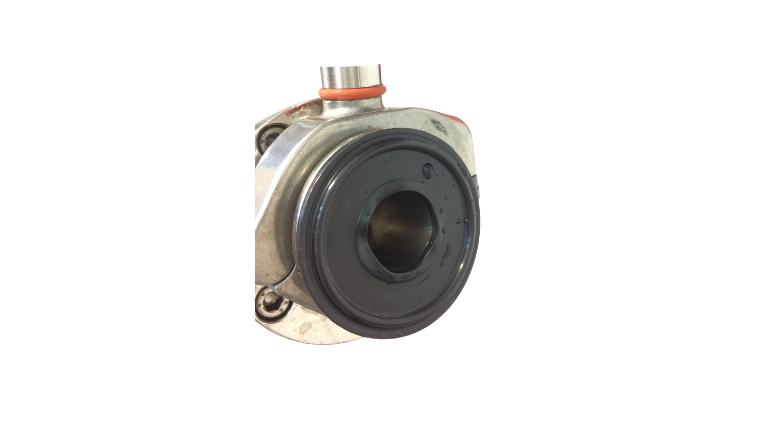
Due to misalignment, we are exposing the gasket to uneven forces. As you can witness in the video below the bottom side of the gasket is compressed much more than the top part. This results in a situation where there is gasket material pushed inside the tubing causing a ridge. This ridge has a significant impact on the performance of the whole system. The flow capacity is reduced and the chances of solid material building up on both sides of the gasket are eminent.
(The video at the top of this chapter illustrates this with the green particles)
Regardless if we are over-compressing because of misalignment or simply because we feel we need to, the side effects of over-compression are overwhelming. We have created several video animations illustrating the effects. In the first video, we show the effect of the rubber ridge sticking inside the flow path. Over a longer period of exposure to steam (SIP) and product flow, the gasket weakens and parts will eventually break out. And where do they go?
The gasket ridge that we discussed has a dramatic effect on the flow performance of a system. Each ridge is creating a pressure drop, imagine the effect of a cascade of connections. The video below illustrates the effect of 5 connections with a 2 mm gasket ridge, gravity drop of 10L water.
The above video is purely a visualization of what is happening inside the pipework, the fact that it took twice as long to empty the 10L chamber explains the devastating effect of over-compression.
In the two video´s below a more scientific approach looks at a cascade of perfect connections with no intrusion in the flow path, and the second one with the over-compression scenario.
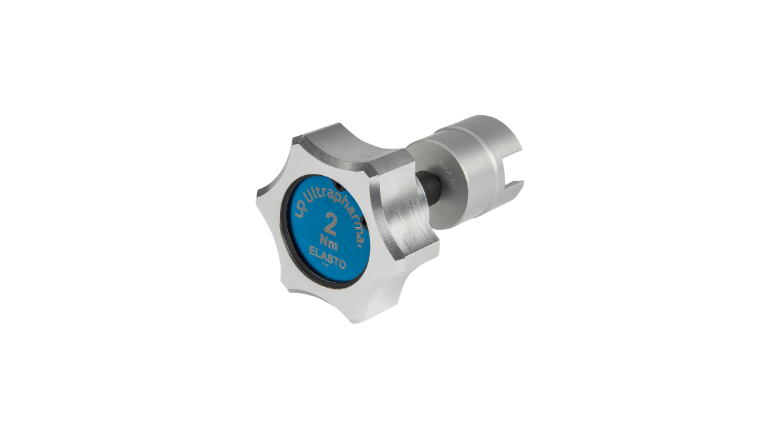
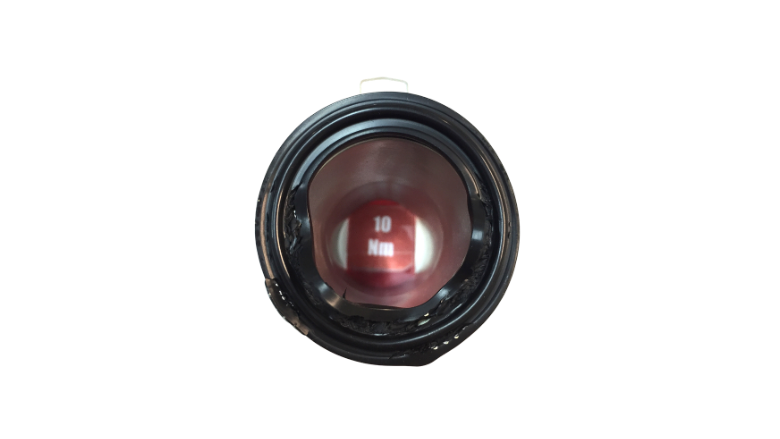
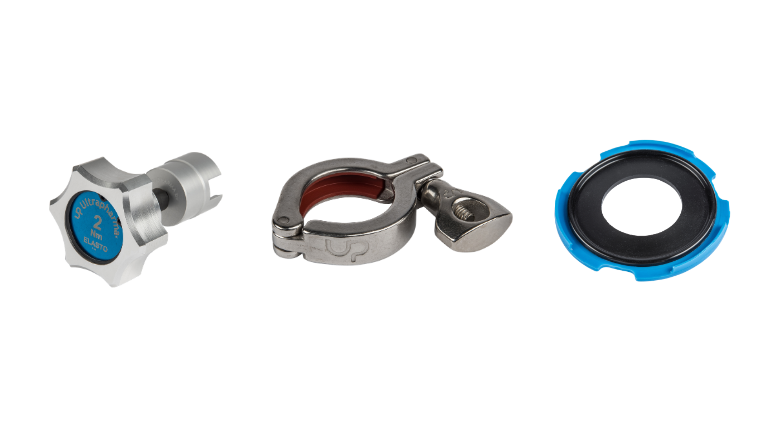
There are many solutions we can offer to prevent over-compression. The first step is using a torque wrench or our preset Torque-Knob. At the bottom of this page, you can find our recommended torque sheet for many of our gaskets and clamps.
In case of misalignment problems, we recommend utilizing our Snap-On gaskets. These gaskets can be exposed to extreme compression when closing a difficult connection. The plastic ring protects the elastomer gasket against destruction. Please read more about this product in this chapter on our website.
Lastly, we can recommend using our patented invention the Elasto-Clamp. This clamp has unique features and will protect your system against gasket intrusion. Read more about this new product in this chapter on our website.
Our technical team is ready to help you select the right solution for your application