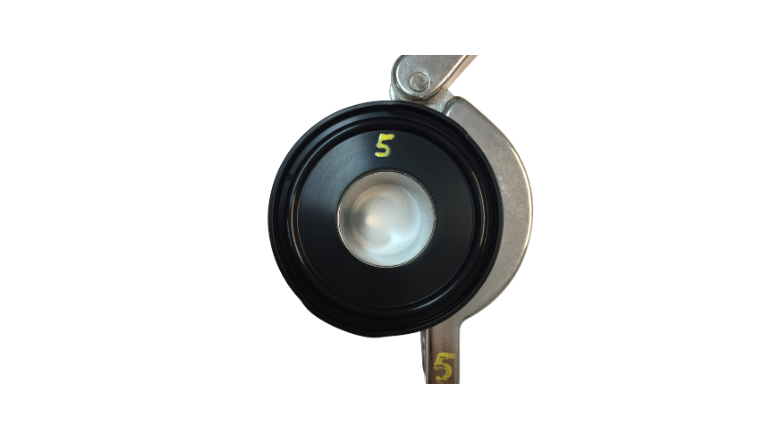
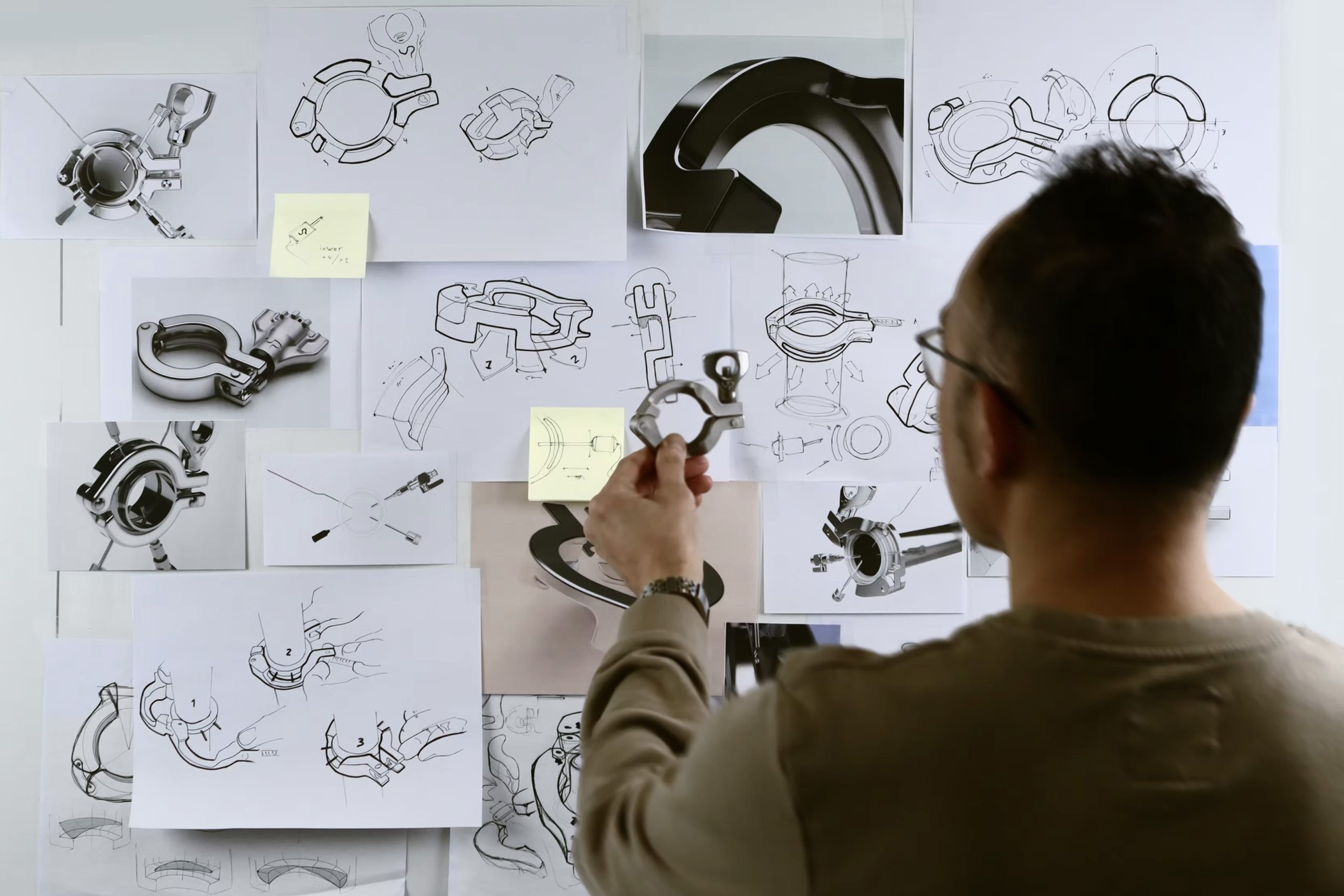
Thanks to a skilled engineering team, we at Ultrapharma have delivered several unique products that address key process challenges faced by the pharmaceutical industry.
The Elasto-Clamp®, Eazy-Clamp®, non-metallic Pharma-Clamp® series, Removable Steam-Flon® products, Single-use Pressure Gauge, Resistor and Sporfix® are just a few examples that have made their way into pharmaceutical process operations.
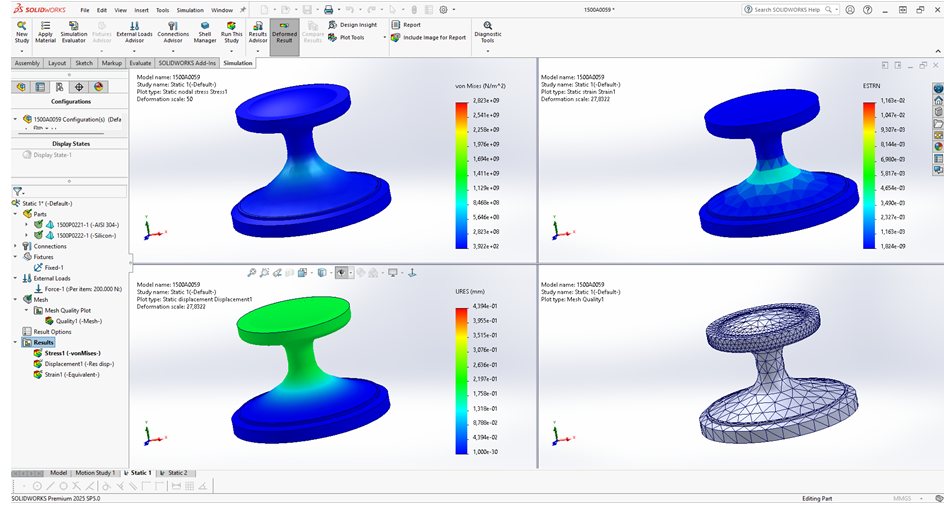
We also leverage advanced technologies such as 3D printing, FEA simulations and elastomer prototyping which significantly reduces prototype development time.
To support reverse engineering, quality investigations, and component validation, Ultrapharma performs in house material analysis on a wide range of process stream components – from elastomeric seals and polymer clamps to metal parts and single use products.
Using a combination of analytical techniques, we characterize materials based on their chemical composition, mechanical properties, and thermal behavior. All analyses are conducted on actual samples, enabling accurate identification without relying on original specifications.
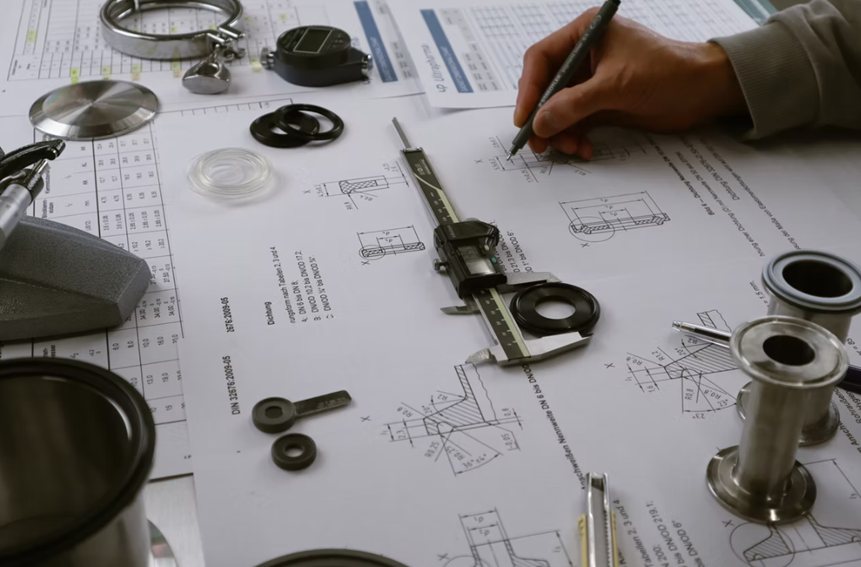
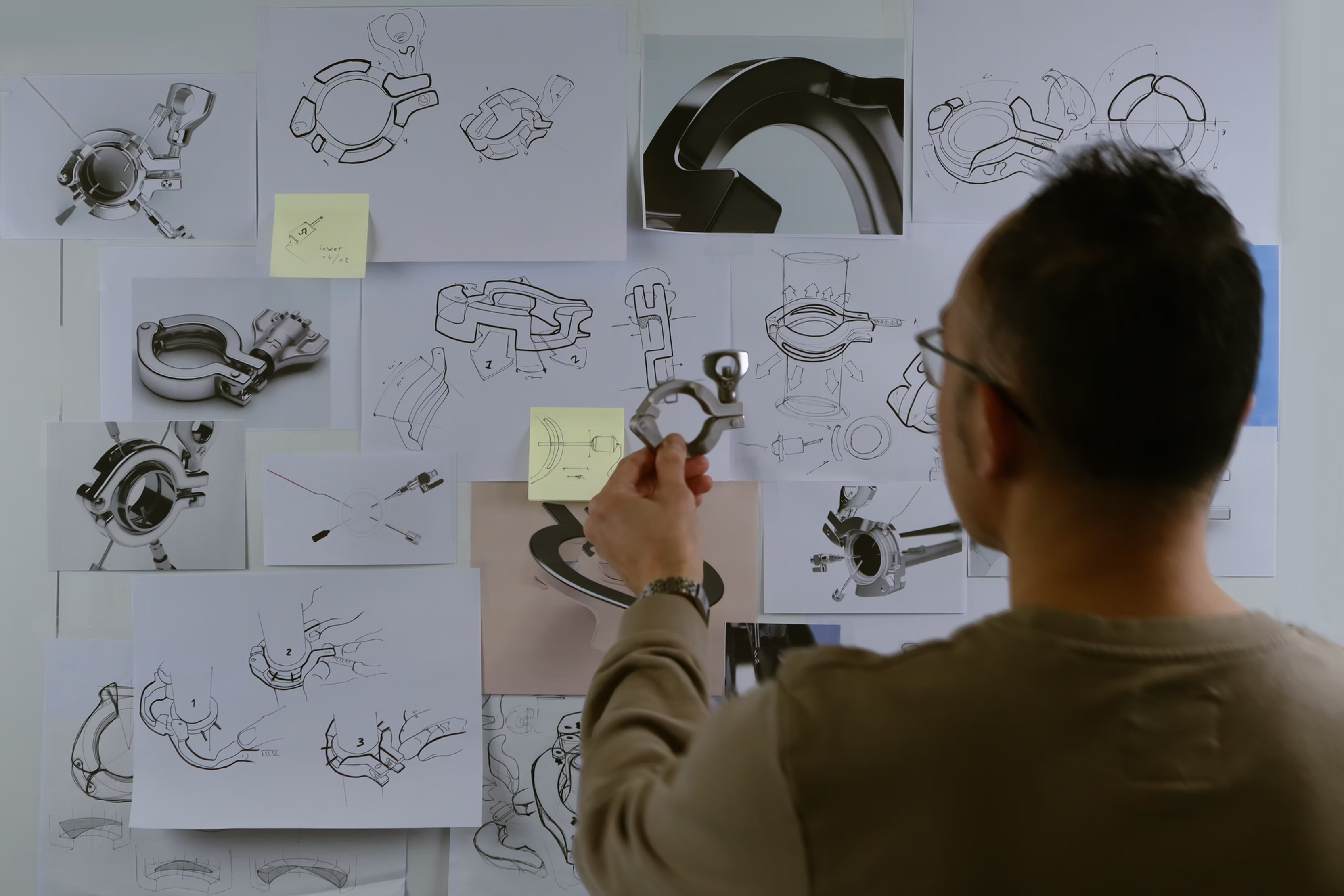
Thanks to our deep understanding of pharmaceutical processes and the critical role each component plays, Ultrapharma offers expert reverse engineering services for virtually any part within the process stream.
Whether it’s a legacy fitting, a custom clamp, a single-use sensor housing, or a worn-out steam trap, we can precisely analyze the original design, materials, and function.
Using advanced measurement tools, material characterization, and 3D modeling, we recreate components that meet or exceed original specifications-without access to source drawings or IP. This capability not only supports replacement of obsolete parts but also enables targeted improvements, cost reductions, and faster troubleshooting, all while maintaining full compliance with pharmaceutical quality standards.
Accurate dimensional and surface measurement is fundamental to pharmaceutical component inspection, reverse engineering, and quality assurance. Ultrapharma employs a range of advanced (digital) measurement technologies to capture high-precision geometric data directly from physical parts – without altering or damaging the sample.
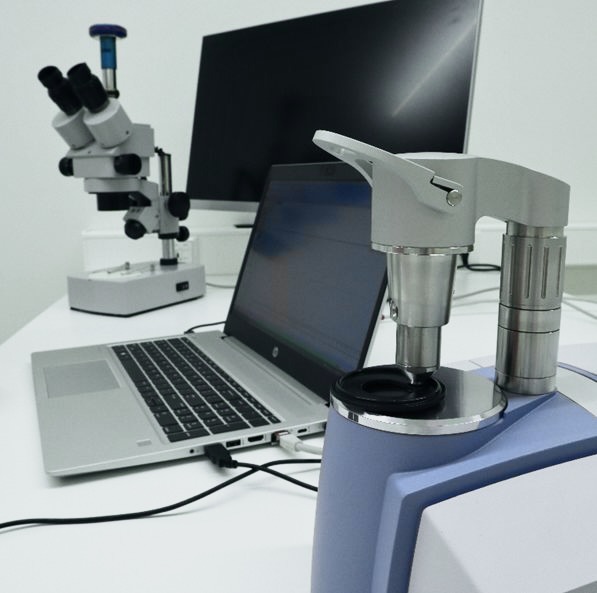
Our digital microscopy solutions enable detailed examination of component surfaces, edges, seals, and micro features. Capturing high resolution still images and video, these systems are ideal for:
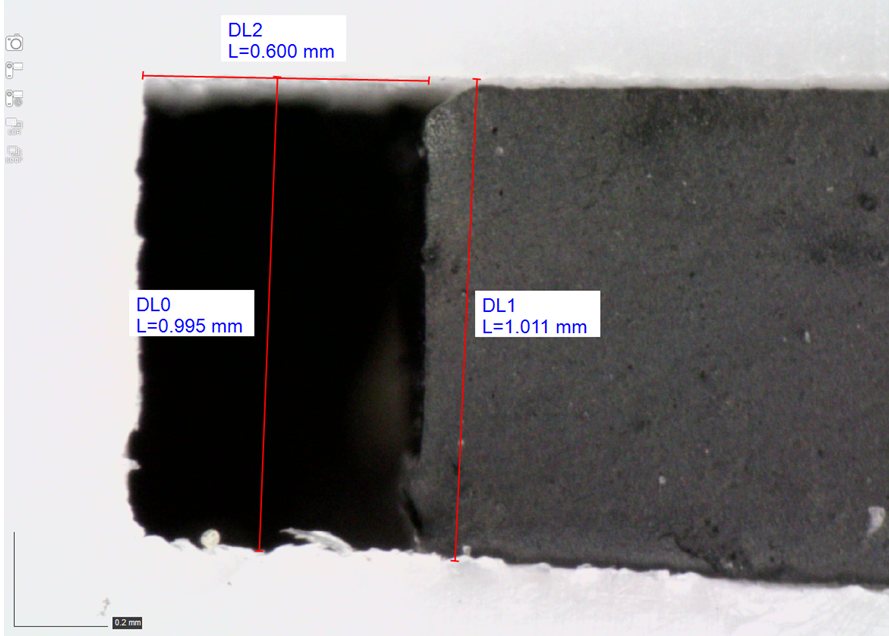
Integrated software tools allow on screen measurement, annotation, and image comparison, supporting rapid assessment directly on the lab bench.
Beyond additive manufacturing, Ultrapharma maintains a fully equipped in-house workshop for conventional machining, finishing, and post-processing. This enables us to handle hybrid workflows – combining 3D-printed prototypes with machined features, or producing metal parts directly when subtractive methods are more efficient.
Our workshop includes a diverse range of machines and tools, such as a lathe, column drill, grinding stations, and a spot welding machine, to name a few.
This combination of additive and subtractive capabilities under one roof gives Ultrapharma complete control over prototyping speed, quality, and iteration—from raw material or filament to a finished, ready-to-test component.
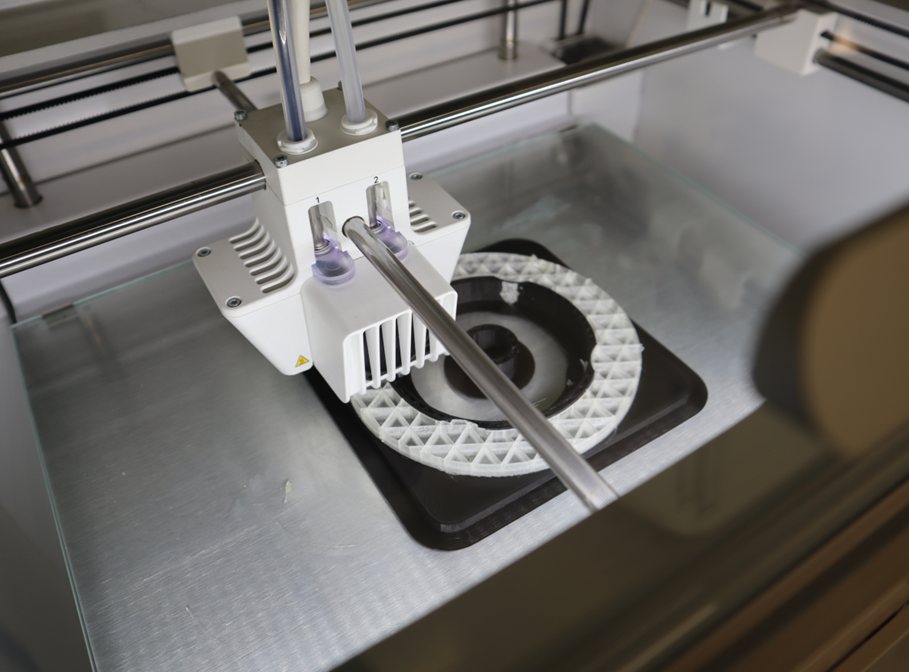
Rapid prototyping is at the heart of Ultrapharma’s engineering philosophy. Our in house 3D printing capabilities turn digital designs – whether created in house, captured through reverse engineering, or provided by customers – into physical parts within hours. This speed allows us to iterate quickly, validate form and fit, and de-risk production decisions long before committing to costly tooling or moulding.
We operate a diverse fleet of FDM/FFF printers, each selected for specific strengths in precision, build volume, material compatibility, or speed. This multi printer approach ensures that every prototype—from a tiny seal to a large assembly—is produced on the most suitable platform. Our core FDM fleet includes Ultimaker, Bambu Lab, FLSUN, and Intamsys systems.
But our capabilities don’t stop at polymers. The Ultimaker in our fleet is equipped with a metal expansion kit, allowing us to print functional metal prototypes – including custom Tri Clamp fittings – without the long lead times or high costs of traditional machining or casting. Using 316L stainless steel filament, we produce “green” parts that are then cleaned and sintered through a professional service partner, yielding dense, fully metallic components with mechanical properties comparable to conventionally manufactured stainless steel.
This close integration of polymer and metal printing on a shared hardware platform means we can move seamlessly from non structural concept models to fully functional metal prototypes without changing workflows or vendors.
Elastomeric components — gaskets, seals, diaphragms, O rings, valve seats, and clamp liners — play a critical role in pharmaceutical process streams. Yet prototyping new or replacement elastomer parts has traditionally been slow and expensive, requiring custom molds and long lead times. Ultrapharma changes that.
Leveraging our in depth knowledge of pharmaceutical elastomer applications, combined with digital measurement, material analysis, and additive manufacturing technologies, we can create a functional test part in days, not weeks.
Ultrapharma performs specialized welding of PTFE and TFM (modified PTFE) entirely in house, enabling the production of chemically resistant, high purity prototypes and finished components without adhesives or mechanical fasteners.
Using controlled heat and pressure techniques, we can join PTFE and TFM sheets, rods, tubes, and custom profiles into complex geometries.
This capability complements our broader prototyping and reverse engineering services, providing a complete solution for component development – from initial concept to functional, weld assembled product.
Ultrapharma provides complete, end to end packaging solutions for your products — from simple bag labeling and marking to fully customized inlays designed to ensure safe, secure transportation to the end user.
Using our in house plotter and laser cutter, we rapidly prototype and test packaging concepts until all requirements are met. Only then do we proceed with the production of supporting materials such as brochures, manuals, installation guides, and product packaging graphics.
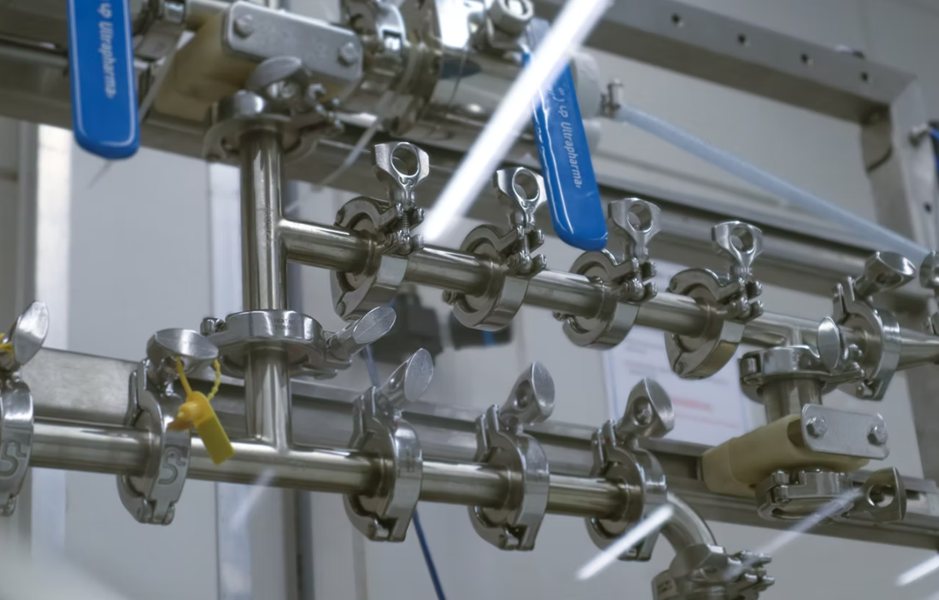
Ultrapharma operates a specialized test installation designed to simulate years of real world usage in a matter of months or even weeks. This accelerated aging system employs precision pneumatic actuation to repeatedly exercise products through their full range of motion – for example, opening and closing clamp handles, actuating valves, flexing diaphragms, or compressing and releasing elastomer seals.
The installation can reliably execute over 100,000 cycles (or more, depending on requirements) while monitoring key parameters such as actuation force, cycle count, return position, and any change in resistance or sealing performance over time. By compressing long term wear into a short, controlled laboratory period, we can:
To ensure our products perform reliably under real world pharmaceutical conditions, Ultrapharma has developed a proprietary test system that fully automates the Steam In Place (SIP) cycle. This system simulates the rigorous thermal and condensate exposure that components such as clamps, gaskets, sensors, and fluoropolymer parts endure during routine bioprocess and sterile manufacturing operations.
Our automated SIP test stand precisely controls key parameters – including steam temperature, pressure, cycle duration, cool down phases, and number of repeated cycles – without manual intervention. This allows us to:
Ultrapharma has developed its own high end photography installation capable of capturing a product from every angle with extreme detail. This purpose built system combines precision lighting, motorized turntables, and high resolution macro imaging to produce a full 360° visual record of any component – from small elastomer seals to complete clamp assemblies.
By generating these highly detailed image sets, we can:
The system’s resolution reveals microscopic scratches, voids, flash, discoloration, or dimensional irregularities that might otherwise go unnoticed. This visual inspection layer complements our digital measurement and material analysis capabilities, ensuring that every product leaving Ultrapharma meets the highest pharmaceutical grade standards.
Beyond physical prototyping, Ultrapharma’s multidisciplinary team of engineers creates high resolution renders and animations of products. To support this work, we operate our own dedicated high end rendering station – allowing us to produce complex, photorealistic visuals in-house. This means faster turnarounds and the ability to iterate visually as quickly as we iterate physically.
Our visualisation expertise bridges the gap between digital design and tangible reality – letting clients see, understand, and refine a product long before any material is cut or printed.
Using professional rendering and animation tools our team can:
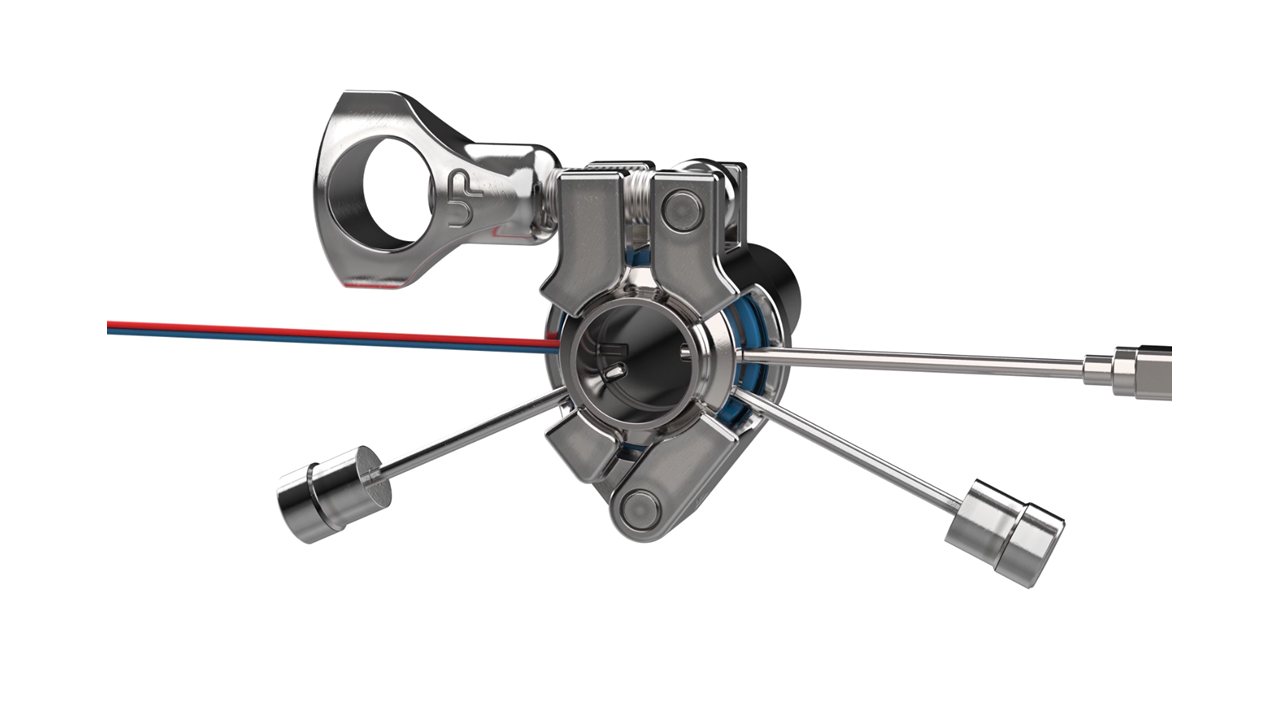
By combining rendering expertise, in house high end hardware, and our engineering and prototyping capabilities, Ultrapharma ensures that every visual asset is not only aesthetically polished but also technically accurate – derived directly from the same CAD files that drive our 3D printers and machining tools.
This integrated approach accelerates design validation, simplifies stakeholder communication, and reduces costly late stage changes. Whether you need a single hero shot of a custom Tri Clamp or a full motion study of a complex assembly, Ultrapharma delivers visuals that inform, persuade, and perform.
Ultrapharma utilizes a high sensitivity leak detection method based on UV fluorescent media. A specially formulated UV tracer liquid is applied to the test assembly – such as a clamped seal, gasket, or valve seat – and the system is pressurized to simulate operating conditions. Any leak, no matter how small, carries trace amounts of the UV medium through the defect. When inspected under UV (black) light, these traces emit a bright fluorescent glow, revealing the exact leak location with exceptional clarity.
This method allows us to: